Do I have a drug problem? Drug use does not always look like the dramatic picture on TV. It can start with prescription painkillers, weekend use or “just to relax”, and slowly become something you depend on. This free, confidential drug addiction test has 27 short questions and takes about five minutes. It covers opioids, prescription medications and other drugs. At the end you will see what your answers suggest and what to consider next.
Take the drug addiction test
Answer each question honestly, based on the past year. You do not need to give your name or email.
The results are not a diagnosis. If your answers raise concerns, a confidential conversation with a professional can help you understand what is going on and what the next step should be.
If you or someone else is in danger right now, for example after taking too much of a drug, call 911 in the US or 101 (Magen David Adom) in Israel. In the US you can also call or text 988 for support in a crisis.
What is drug addiction?
Drug addiction, known in medical terms as substance use disorder, is a condition in which a person keeps using a drug despite harm to their health, relationships, work or finances. Over time, the brain adapts: more of the drug is needed for the same effect, and stopping can cause withdrawal. It is a medical condition, not a moral failure, and it can be treated.
Common signs of a drug problem
- Using more, or for longer, than you planned
- Trying to cut down and not being able to
- Needing drugs to wake up, fall asleep or get through the day
- Using prescription medication in ways it was not prescribed
- Hiding your use, or taking money or drugs that are not yours
- Losing friends, a job or the trust of your family because of drugs
Worried about someone you love?
Many people take this test on behalf of a son, daughter or spouse. If your loved one refuses help, read our guide for parents whose adult child refuses rehab. You may also want to read about enabling versus taking responsibility.
Getting help
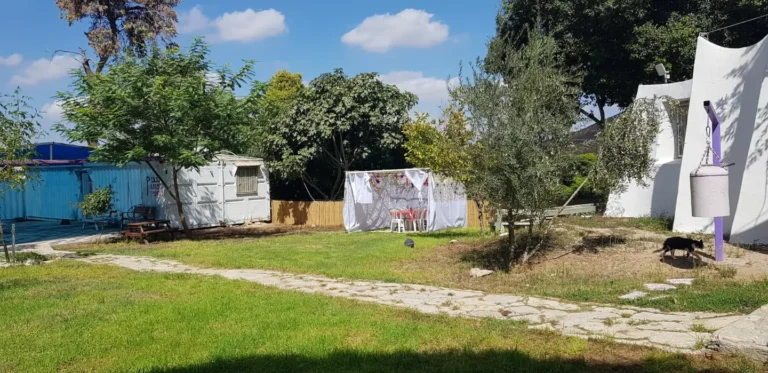
Retorno, an addiction treatment center near Beit Shemesh, Israel, founded in 1998, offers medically supervised detox at Elah for women and Alon for men, followed by residential treatment in English, in a fully kosher community. Read more about Jewish drug rehab in Israel or rehab in Israel for Americans.
Frequently asked questions
How do I know if I have a drug problem?
Signs include using more than you planned, failed attempts to stop, needing drugs to get through the day, and harm to your health, relationships or work. This test can help you take an honest look, and a professional can give you a clearer answer.
Is prescription drug misuse addiction?
It can be. Taking medication in higher doses, more often, or for reasons other than prescribed, especially painkillers, sedatives or stimulants, can lead to dependence and addiction.
Do I need detox before treatment?
For some drugs, such as opioids and sedatives, stopping suddenly can be dangerous. A medically supervised detox lets you stop safely before starting treatment.
Is this drug addiction test confidential?
Yes. The test is free, and you do not need to give your name or email to take it.
Finished the self-test?
You don't have to figure this out alone
A self-test can't diagnose an addiction, but it can be a sign that it's time to talk to someone. Our English-speaking team can help you understand your options, for yourself or for someone you love.
Prefer to write? Send us a message- Treating addiction since 1998
- Program in English
- Substance and behavioral addictions
- Kosher community in Israel
- Separate programs for men and women