Rehab in Israel for Americans means traveling to Israel for residential addiction treatment, usually to step away from the pressures of home and recover in a structured, supportive setting. At Retorno, a therapeutic community near Beit Shemesh founded in 1998, treatment for English speakers costs $10,000 per month for both medically supervised detox and the residential program. Retorno is private pay and does not bill US insurance. Families typically fly into Ben Gurion Airport, and pickup from the airport can be arranged.
This guide answers the practical questions American families ask us most: what treatment costs, how payment and insurance work, how to compare Retorno with programs in the US, and what the trip to Israel actually involves.
How much does rehab in Israel cost?
Retorno publishes its prices, so you know the cost before the first phone call.
| Program | Price | Typical length |
|---|---|---|
| Medically supervised detox (Alon for men, Elah for women) | $10,000 per month | 21 days to 6 weeks |
| Residential treatment program | $10,000 per month | 3 to 6 months |
| DHEA (optional, alongside treatment) | $1,000 per month | As recommended |
At $10,000 a month, three to six months of residential treatment comes to $30,000 to $60,000, plus detox for people who need it. For current details, see Admissions and Fees or call our US line at (646) 248-7297.
Does US health insurance cover rehab in Israel?
Retorno does not work with insurance companies and does not bill insurers. Treatment is paid privately by the client or the family.
Coverage for treatment abroad depends entirely on your own policy, so the only one who can answer that question is your insurer. If you plan to ask, it helps to request a written answer and to ask specifically about care received outside the United States.
How to compare Retorno with programs in the US
Price alone does not tell you much. When you compare programs, ask each one the same questions:
- What is the full monthly price, and what costs extra?
- How long is the program, and what happens if more time is needed?
- Is detox medically supervised, with nursing on site around the clock?
- What therapy is offered, and who provides it?
- Is the program kosher, and does daily life include Shabbat, holidays and prayer?
- Are men and women treated separately?
- What happens after discharge, and who helps plan the return home?
Here is how Retorno answers them:
- Price: $10,000 per month for detox and for the residential program.
- Length: detox usually takes 21 days to 6 weeks; the residential program usually lasts 3 to 6 months.
- Detox: medically supervised, with a nurse on site 24/7, in separate centers for men and women.
- Therapy: individual and group therapy with psychologists, including CBT and DBT; a treatment approach based on the 12 Steps; psychiatric assessment when needed; art therapy, yoga, equine therapy and animal-assisted therapy.
- Jewish life: a kosher community with mehadrin food and chalav yisrael, three minyanim a day, Shabbat and holidays, and a rabbi on staff. People of any level of observance are welcome.
- Men and women: separate programs.
- After treatment: our staff works with each client and family on the return home, including ongoing support in the community.
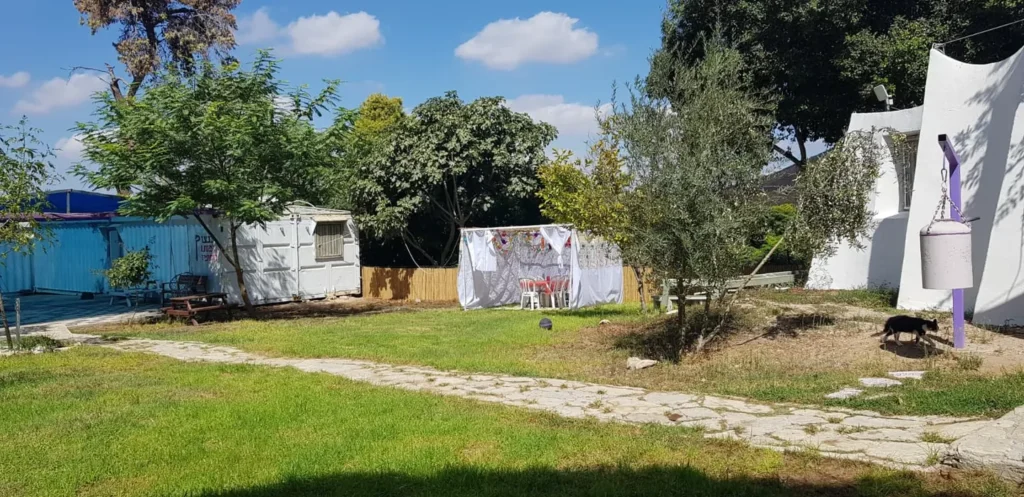
Why American families choose treatment in Israel
- Distance from triggers. Recovery often starts more easily far from the people, places and routines connected to using.
- Privacy. In close-knit communities, fear of stigma keeps many families from seeking help close to home. Treatment abroad offers discretion.
- A Jewish setting. Kosher food, Shabbat and prayer are part of daily life, not an accommodation.
- Treatment in English. Our English-speaking team works with clients from the US, Canada, the UK, Australia and other countries.
- Experience. Retorno was founded in 1998 by Rabbi Eitan Eckstein, and more than 2,000 people have been treated here.
Getting to Retorno from the US
- Call us first. Our team talks with you about the situation and helps decide whether detox, the residential program or another option is the right fit.
- Complete the admission forms. Clients entering detox need several lab tests before admission. The forms are on our Admissions and Fees page.
- Apply for an ETA-IL. US citizens need an approved Electronic Travel Authorization (ETA-IL) to enter Israel. Apply online before your flight, using the same passport you will travel with.
- Fly to Ben Gurion Airport (TLV). Retorno is near Beit Shemesh, less than an hour’s drive from the airport.
- Arrange airport pickup. Pickup from Ben Gurion can be arranged, so your loved one does not have to make the trip from the airport alone.
Who the program is for
Retorno’s program for English speakers serves adults aged 18 and over, in separate programs for men and women. We treat addiction to drugs and alcohol, as well as behavioral addictions such as gambling, pornography and sex addiction. Not sure where things stand? Our self-tests can be a first step.
Frequently asked questions
How much does rehab in Israel cost for Americans?
At Retorno, detox and residential treatment each cost $10,000 per month. Three to six months of residential treatment comes to $30,000 to $60,000, plus detox if needed.
Does Retorno accept US insurance?
No. Retorno does not work with insurance companies. Treatment is paid privately. Whether your own policy covers care abroad is a question for your insurer.
What do Americans need to enter Israel?
A valid passport and an approved ETA-IL (Electronic Travel Authorization), applied for online before travel.
Can Retorno pick us up from the airport?
Yes. Pickup from Ben Gurion Airport can be arranged.
How long does treatment take?
Detox usually takes 21 days to 6 weeks. The residential program usually lasts 3 to 6 months.
Do I need to be religious?
No. The community is kosher and keeps Shabbat, and it welcomes people of any level of observance.
Talk to our English-speaking team
If you are weighing treatment in Israel for yourself or someone you love, contact Retorno. Call us in the US at (646) 248-7297, message us on WhatsApp, or fill out the form on this page.